A handbag does not need to remain visually unchanged to be well cared for. Softening, creasing and some surface change can accompany use. The important distinction is between expected wear, preventable damage and deterioration that needs specialist attention. A generic promise to “restore like new” can obscure that distinction and lead to unnecessary or irreversible treatment.
Start with the care instructions for the exact product, including its trim and lining. A mixed-material bag may need several different precautions. General guidance cannot account for every coating, dye, adhesive or previous repair. If you cannot identify the material with confidence, avoid adding cleaners or conditioners while you seek advice.
Reduce stress during ordinary use
Keep pens, cosmetics and liquids in appropriate closed containers rather than leaving them loose against a lining. Check those containers for leaks. Overfilling can strain seams and distort openings, while carrying a heavy bag by a decorative element can damage components not designed for that load. Use the intended handles and straps, and inspect their attachment points periodically.
Color transfer deserves attention, particularly where light-colored surfaces rub against dark clothing. It is easier to avoid prolonged friction than to remove transferred dye safely. Rain, hand sanitizer, fragrance and oily products introduce different risks. Do not assume that a surface which tolerates a light splash will tolerate solvent, alcohol or repeated wetting.
If a bag becomes wet, follow the maker’s instructions. As a general precaution, remove contents, gently blot accessible moisture with a clean absorbent cloth where appropriate, and keep the bag away from direct heat. Do not use a hair dryer or try to accelerate drying on a radiator. Delicate, stained or unfamiliar materials warrant specialist advice rather than vigorous rubbing.
Support the shape without forcing it
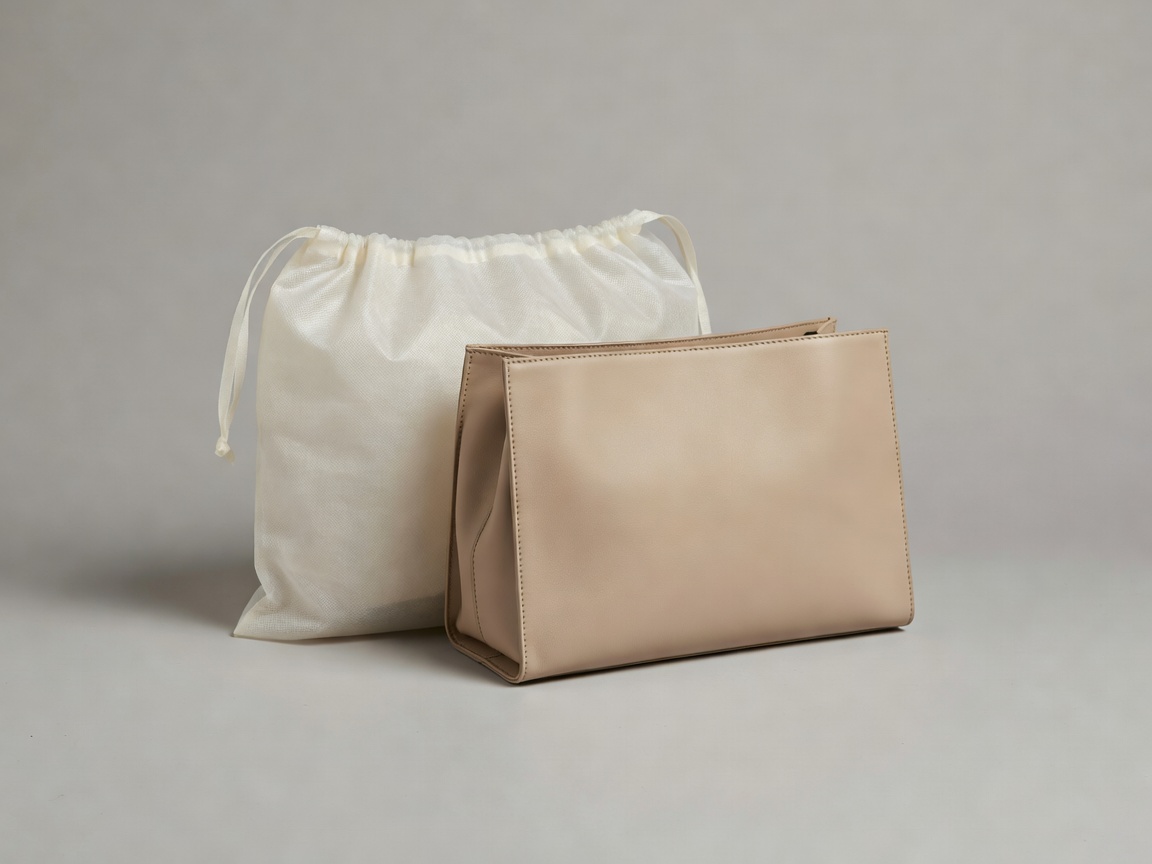
Store a clean, dry bag away from direct sunlight and avoid environments with persistent damp or large temperature swings. A breathable protective cover may reduce dust and friction, but it is not a substitute for suitable surroundings. Do not seal a damp object in plastic. Check stored items occasionally rather than assuming that a closed cupboard guarantees stable conditions.
Light, clean support can help a soft bag retain its intended volume, provided it does not stretch the body or press against a closure. Use suitable undyed, nonabrasive materials and avoid printed papers that might transfer ink. Place straps so they are not sharply creased or pressing hardware into a vulnerable surface. Heavy chains may need separation from the body using an appropriate soft barrier.
Hanging a loaded bag by its handles for long periods can create unnecessary stress. Set it on a suitable shelf with room around it instead of compressing it between other objects. Patent and coated surfaces may react poorly to prolonged contact with other materials, so consult product guidance before choosing a cover or protective wrap.
Repair is a decision, not a reset
Contact the house’s repair service or a suitably experienced independent specialist before a small failure grows. Hermès, Louis Vuitton, Mulberry and other houses publish service information, but eligibility, scope, cost and availability vary. A brand name alone does not guarantee that every historical model or previous third-party repair can be accepted.
Ask what will be replaced, refinished or retained. Recoloring, replacing hardware and rebuilding edges can change the appearance and documentary value of an object. A sympathetic repair for everyday use may be a different choice from conservation of a historically significant piece. Obtain a written description of the proposed work and keep photographs of the condition beforehand.
Avoid home experiments on cracking coatings, sticky surfaces, extensive staining or suspected mold. These symptoms can have different causes. Do not brush or treat suspected mold casually in a living space; seek appropriate professional guidance. No universal cream can resolve structural weakness, coating breakdown or contamination, and some products make later treatment more difficult.
Build a simple evidence record
A useful record combines identification, condition and intervention. Note the stated model, material, dimensions and acquisition source. Keep receipts and service paperwork when available, but remember that paperwork is not by itself an authenticity guarantee. Store private identifiers and transaction details securely rather than publishing them in an open image folder.
Photograph the exterior, lining, base, corners, handles and any existing wear in consistent light. Record a date and describe what changed without guessing at the cause. If a specialist performs a repair, add the scope of work and the components replaced. This makes future care more informed and supports accurate disclosure if the bag later changes hands.
A concise record template
- House and model as documented; unknown details marked as unknown.
- Exterior, lining and trim materials as stated by the maker.
- Condition photographs and plain descriptions of wear.
- Care instructions, service correspondence and completed work.
- Receipts and provenance notes stored privately.
Finally, separate care from speculation about value. A bag may become more comfortable and personally meaningful through use without becoming more valuable on the resale market. Repair can improve function while changing originality. The aim of this guide is to help you make deliberate, well-documented choices, not to promise preservation of a purchase price.
Reference starting points
Consult the current product-care and repair information supplied by Hermès, Louis Vuitton and Mulberry. Museum resources such as the V&A provide broader conservation context, not individualized instructions for your bag.